Guajajara
Brazil


VIDEOS
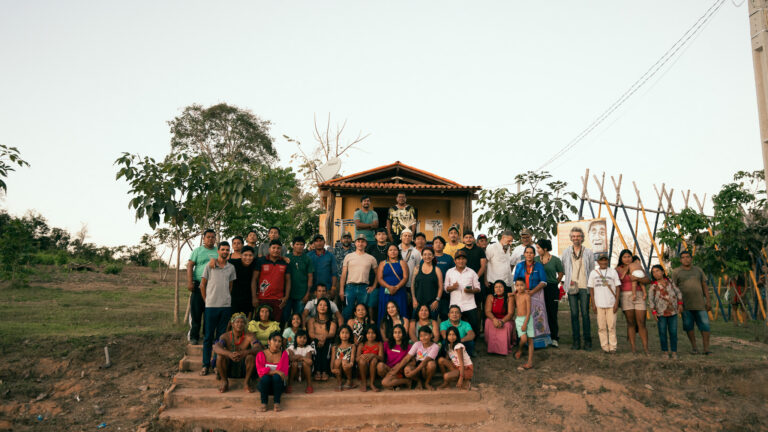
Guajajara (Tenetehar) People of the Araribóia Indigenous Territory
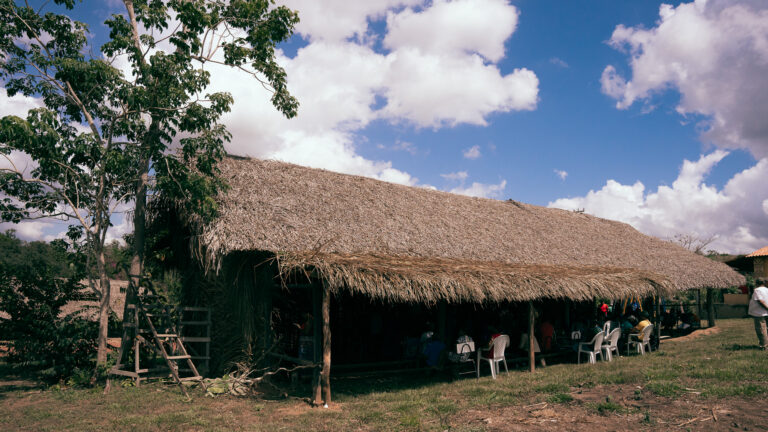
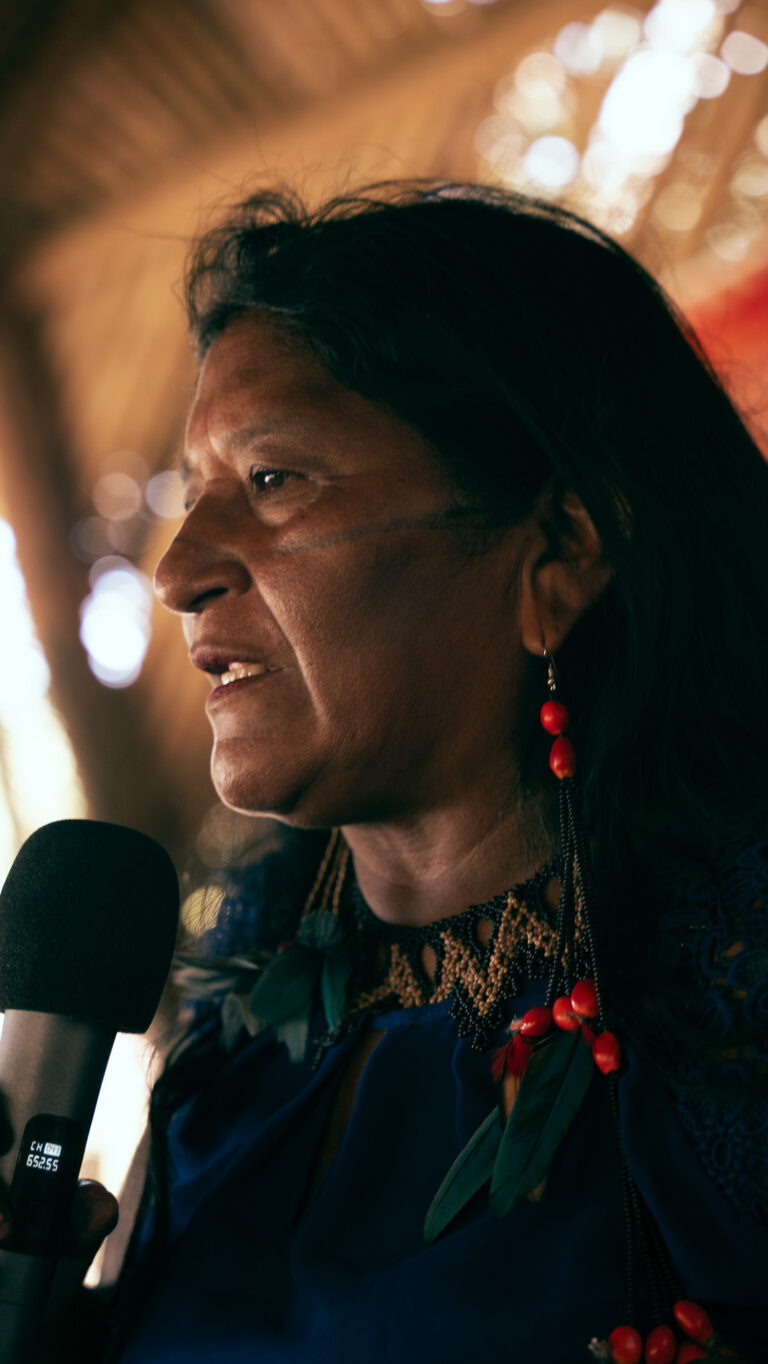
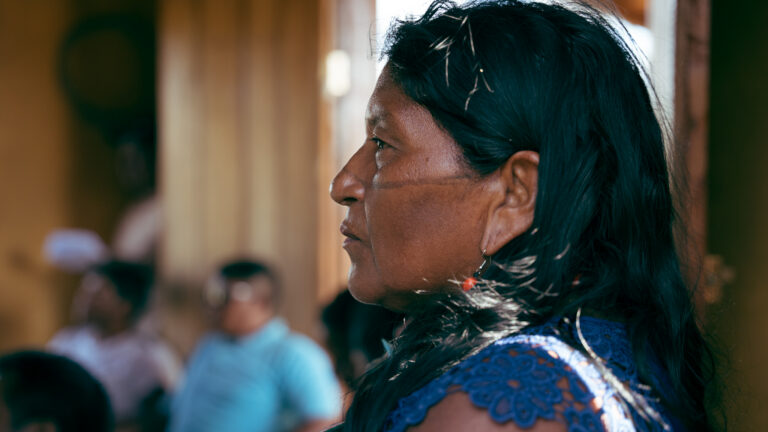
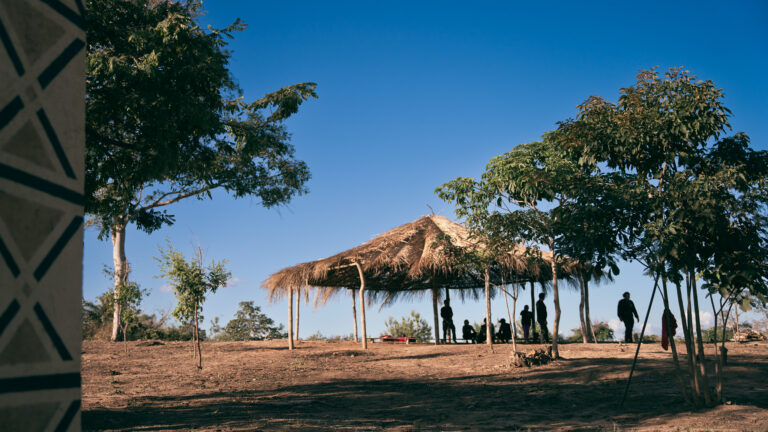
The Guajajara (Tenetehar) People, inhabitants of the Araribóia Indigenous Territory, located in the southern region of Maranhão State, Brazil, have a historical trajectory marked by more than 400 years of interaction with non-Indigenous society. Despite this long process, they have consistently and resiliently maintained their cultural, social, and territorial identity.
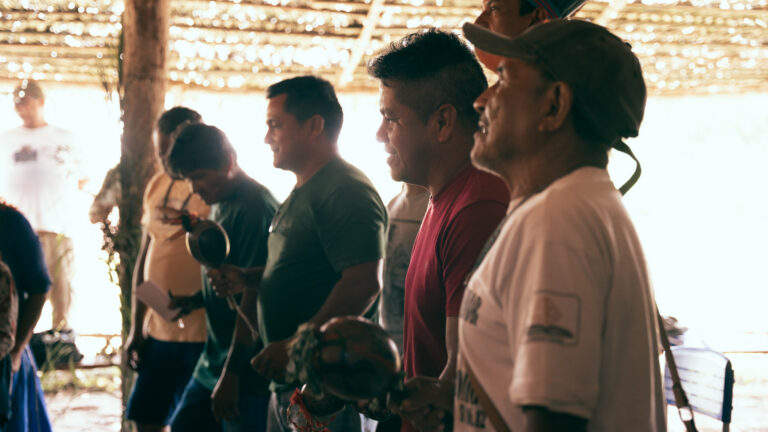
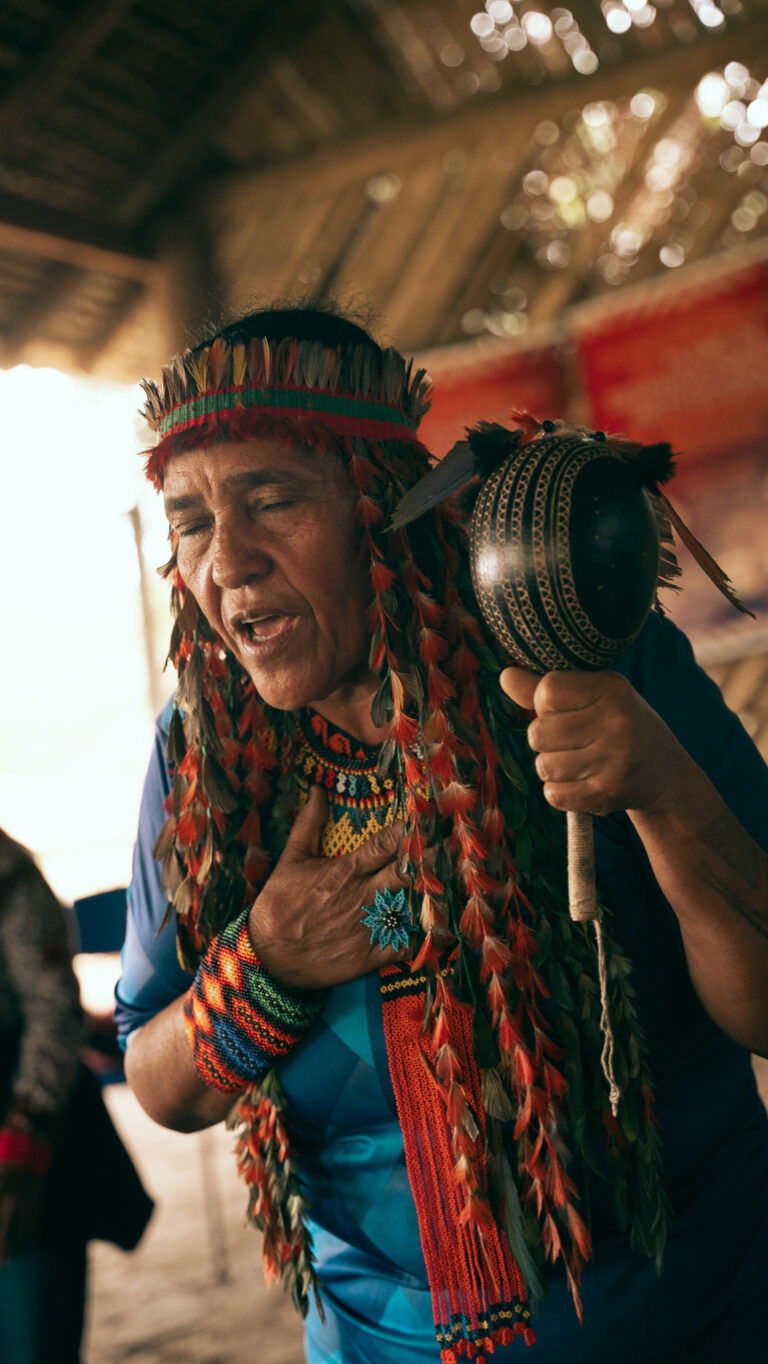
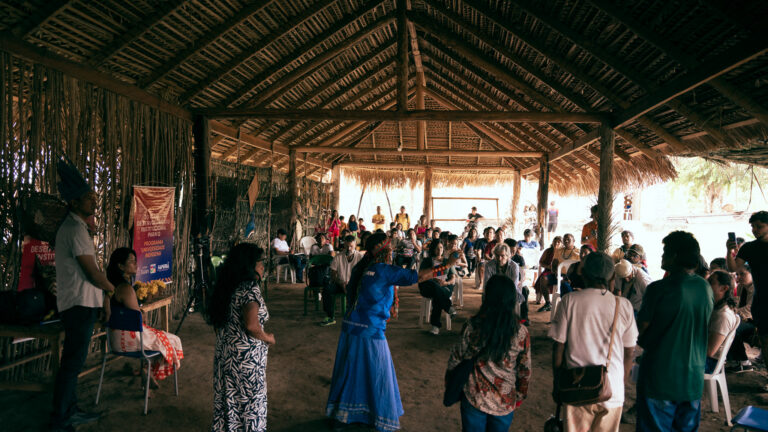
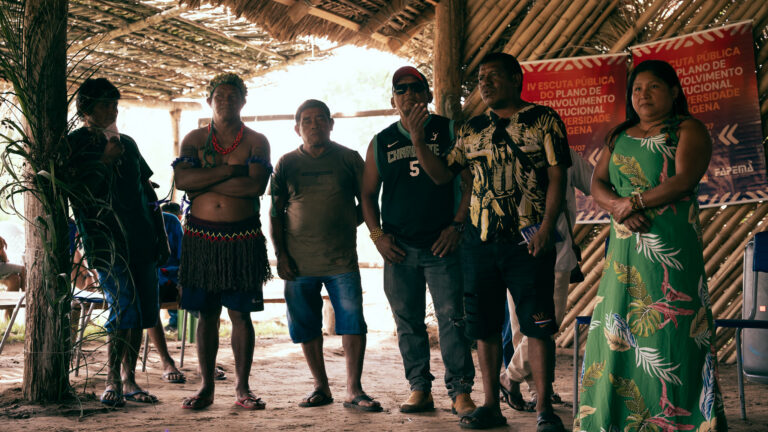
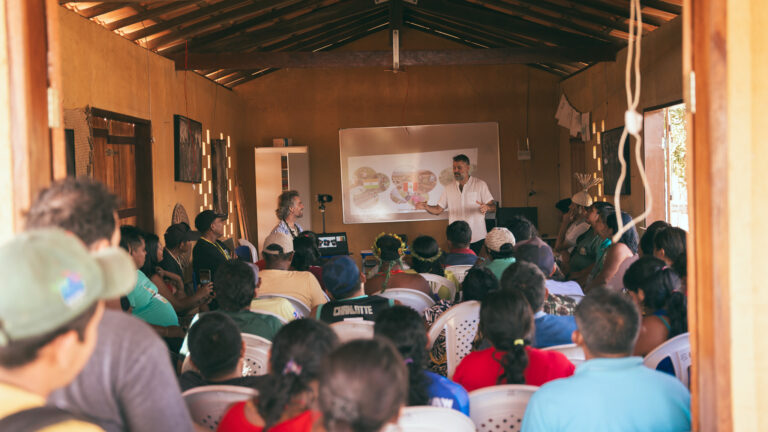
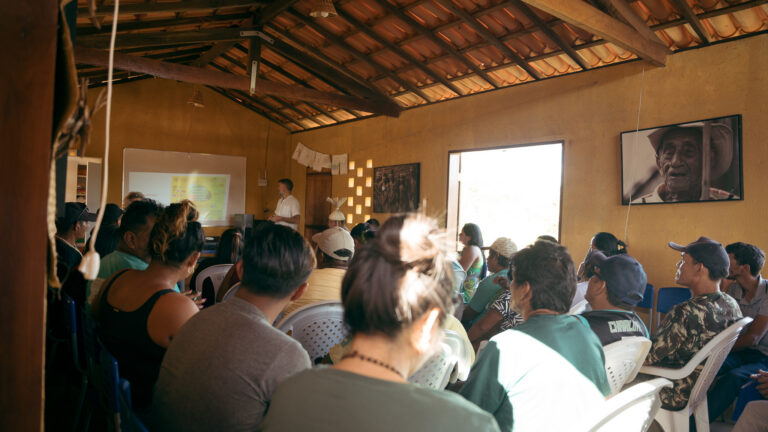
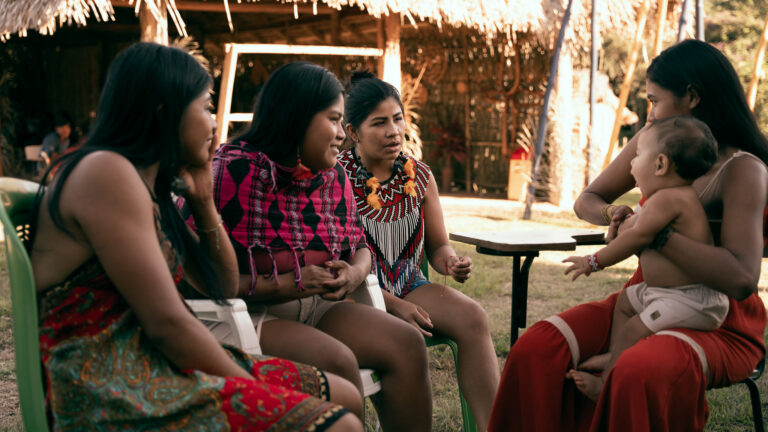
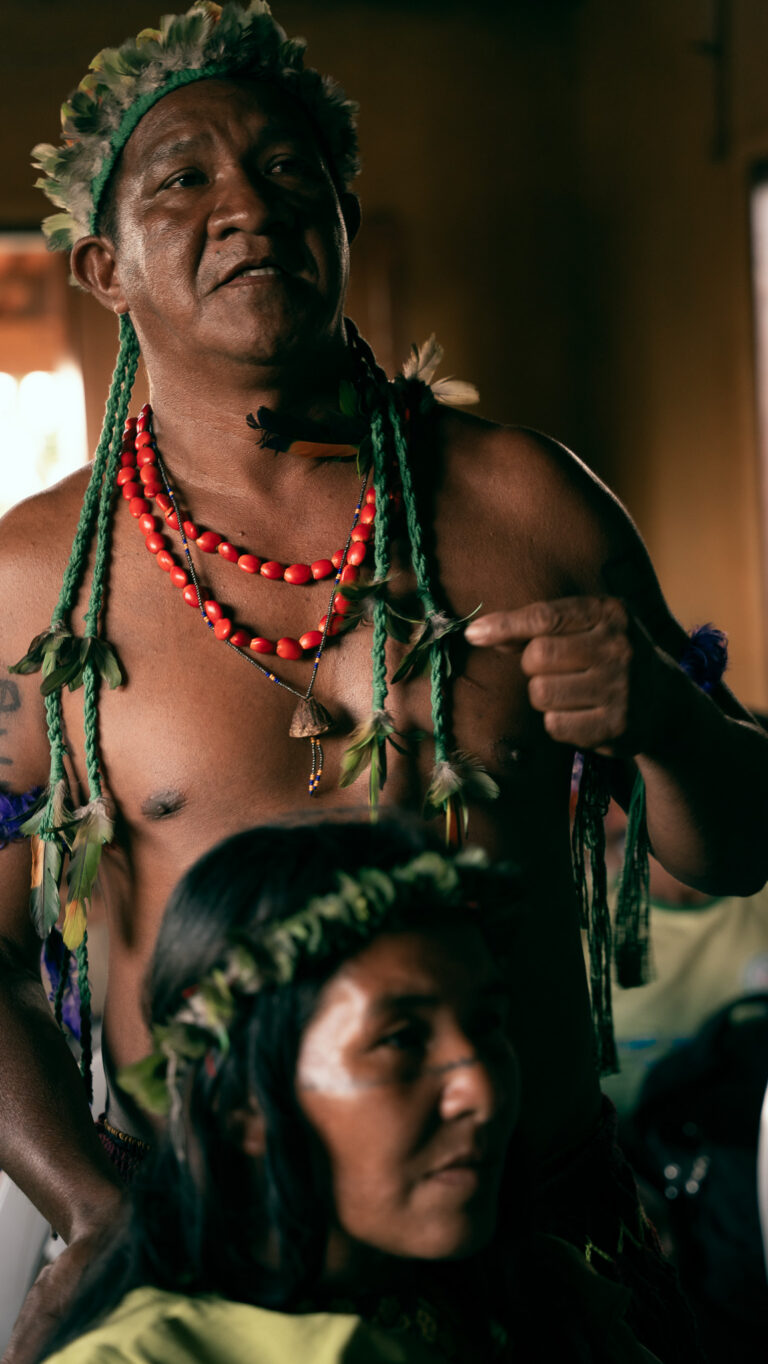
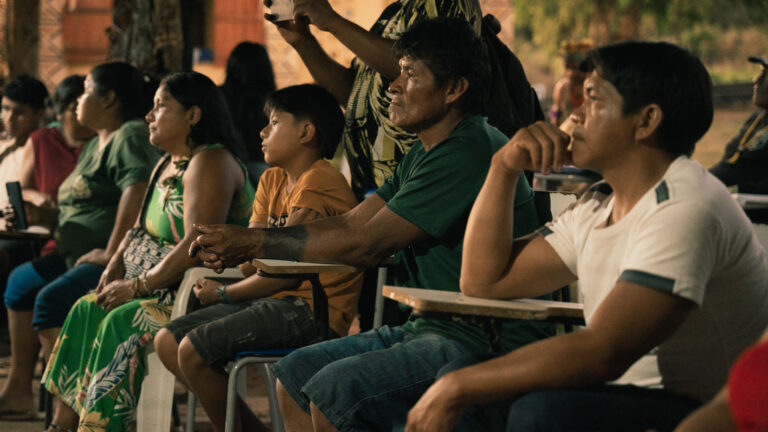
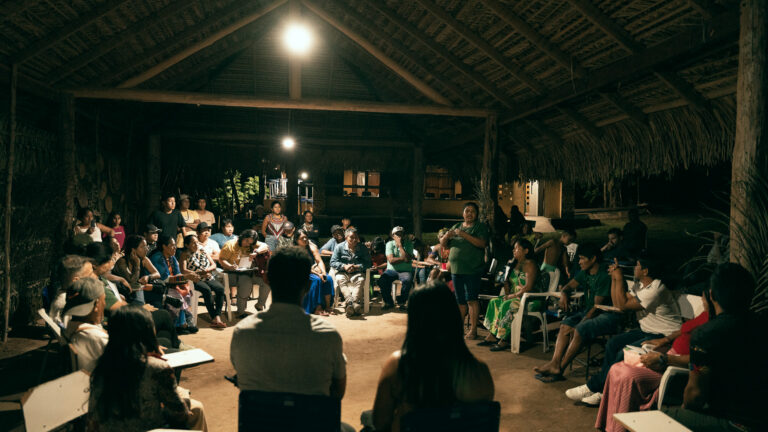
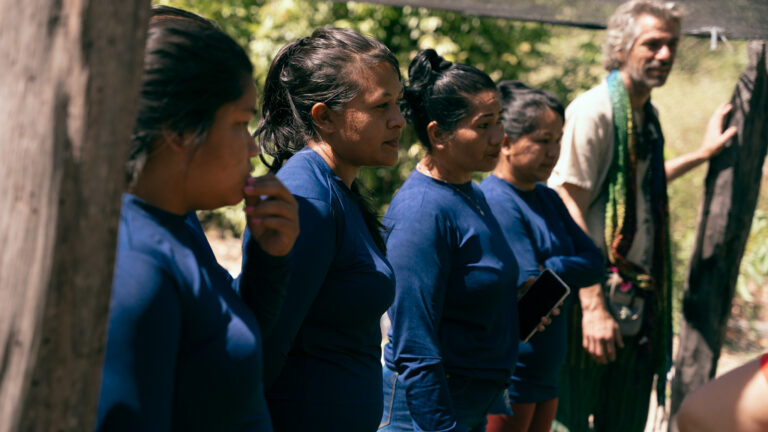
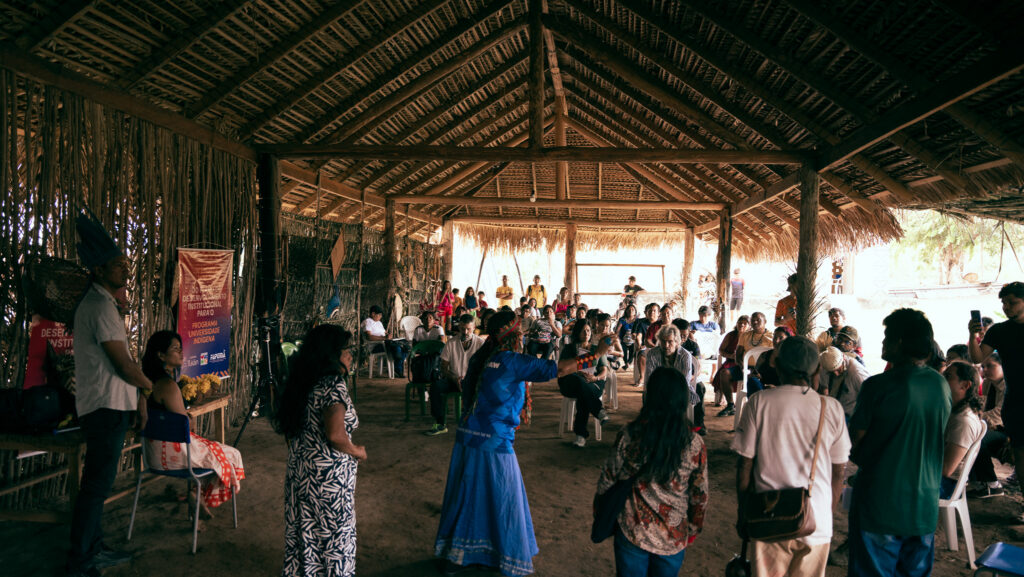
The Tenetehar identity is continuously strengthened through traditional cultural practices and ceremonies, particularly the Festa da Menina Moça (Young Women's Ceremony), the Festa dos Rapazes (Young Men's Ceremony), and the Festa do Mel (Honey Festival). These celebrations play a fundamental role in the transmission of knowledge, social organization, and reaffirmation of collective values.The Tenetehar language, belonging to the Tupi linguistic family, remains widely spoken and actively used throughout the communities, serving as a central element for cultural preservation and intergenerational communication.From an organizational perspective, the Guajajara People maintain their own territorial governance system, based on traditional leadership, community collectives, and shared decision-making processes.
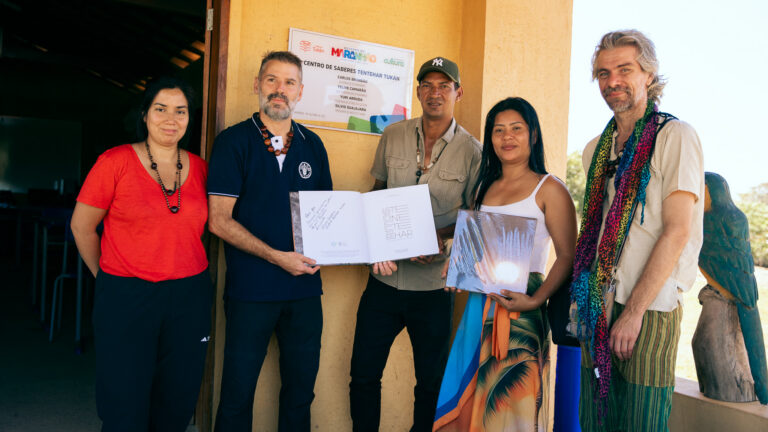
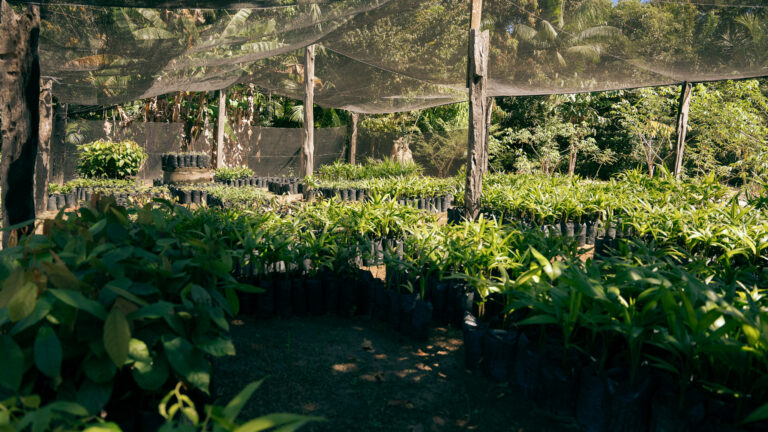
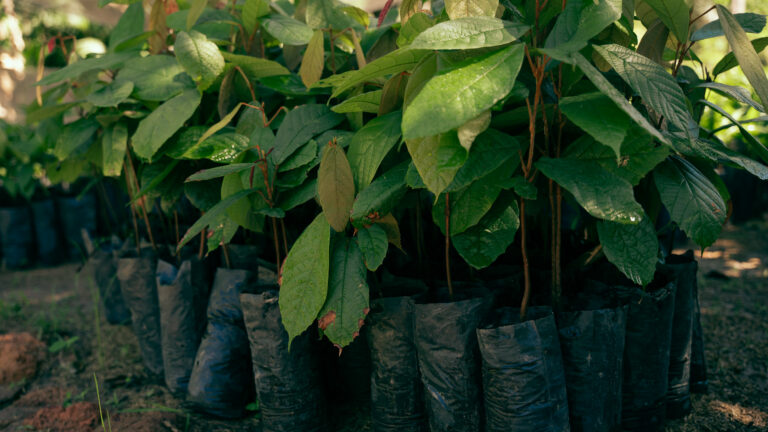
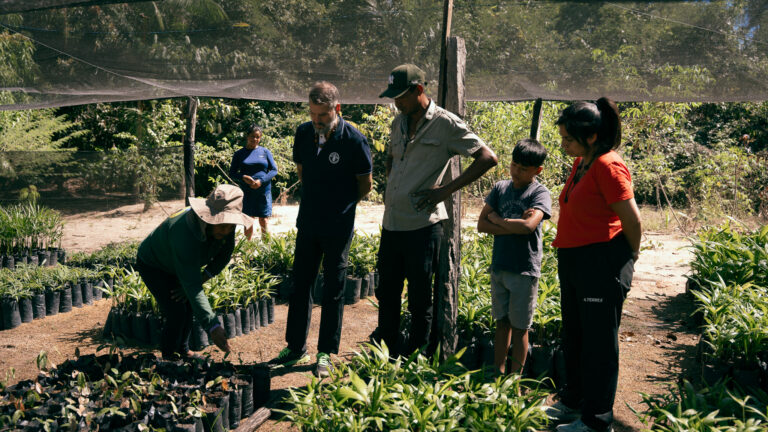
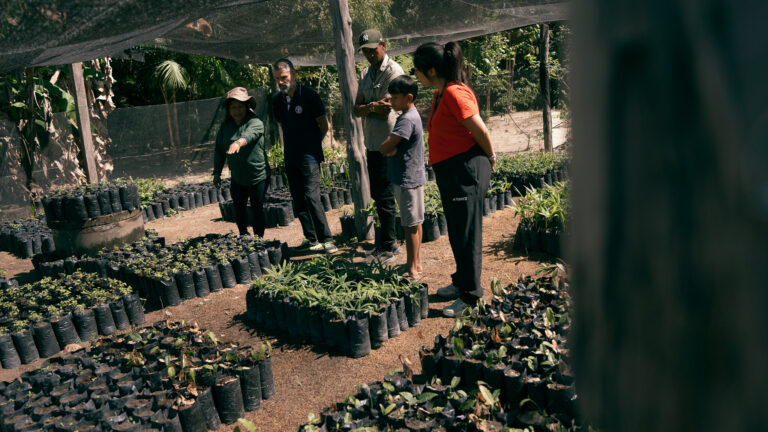
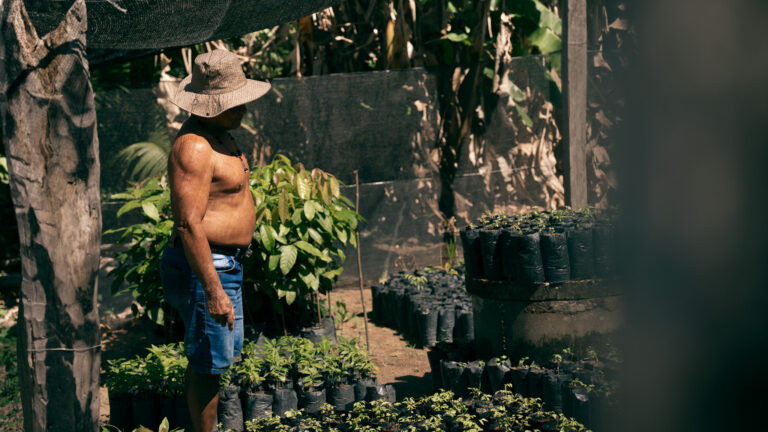
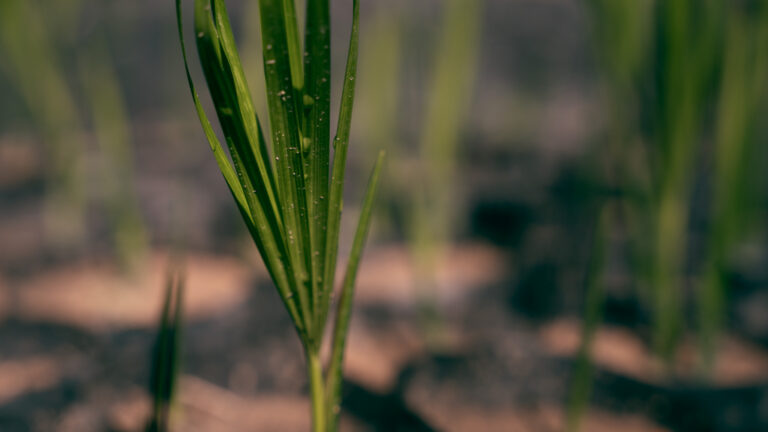
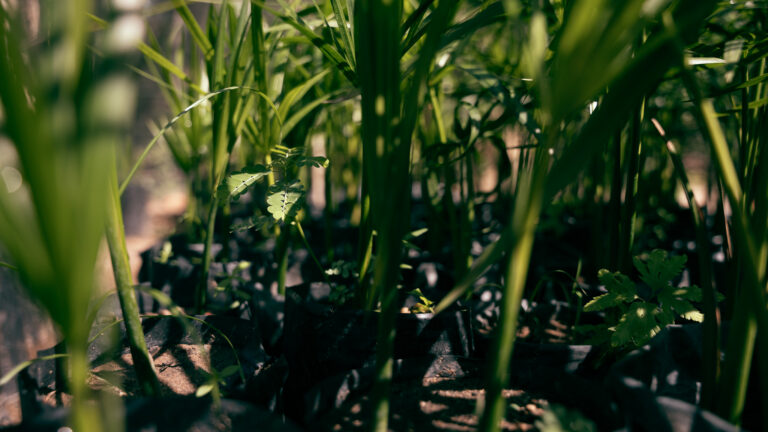
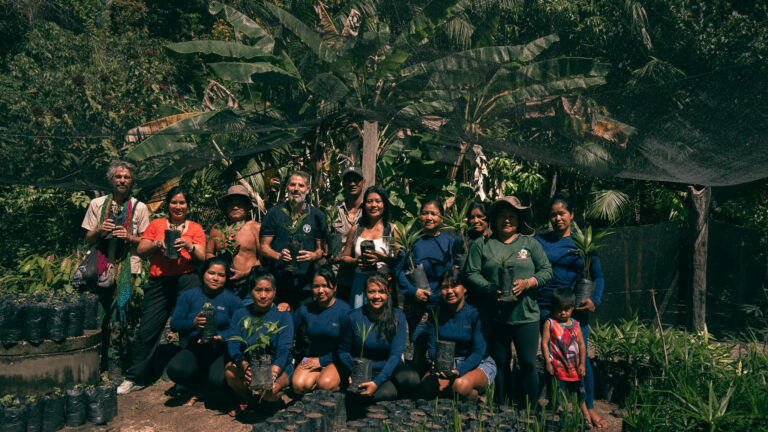
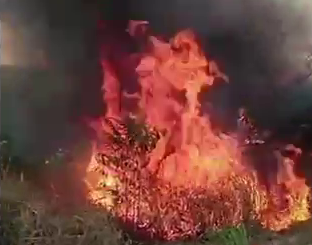
This governance structure supports a range of strategic initiatives aimed at protecting and strengthening their territory, including:The work of the Guardians of the Territory, responsible for monitoring and protecting the land against invasions and environmental threats;The implementation of ecological restoration initiatives in degraded areas, particularly those affected by wildfires;The development of integrated fire management practices in collaboration with volunteer fire brigades;The establishment of the Tenetehar Knowledge Center Indigenous University, as a tool for education, autonomy, and knowledge production;
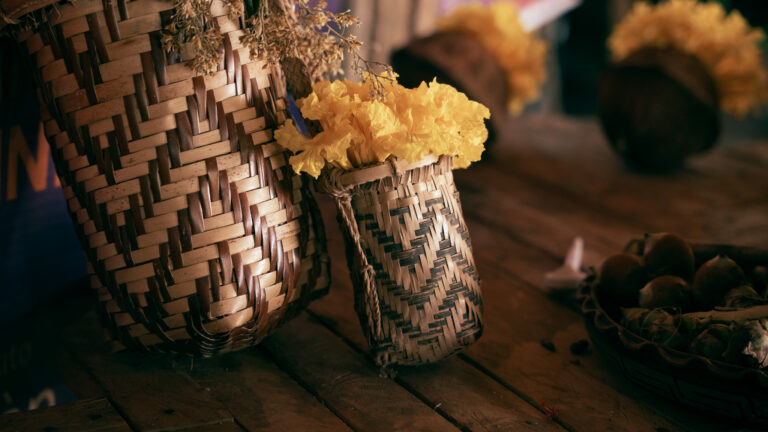
The promotion and appreciation of cultural production, including handicrafts, ceremonies, and traditional expressions;The strengthening of agricultural and extractive production systems that contribute to food security and sustainability.For the Guajajara People, the territory is understood as a living space that integrates spiritual, environmental, and social dimensions. In this sense, the actions carried out by the communities reflect an integrated vision of Bem Viver (Well Living), in which relationships with the forest, rivers, and all living beings are grounded in respect, balance, and reciprocity.
Through these efforts, the Guajajara (Tenetehar) People affirm themselves as protagonists in building their own pathways of development, rooted in autonomy, the valorization of traditional knowledge, and the continuous protection of the Araribóia Indigenous Territory.