Kichwa
Ecuador

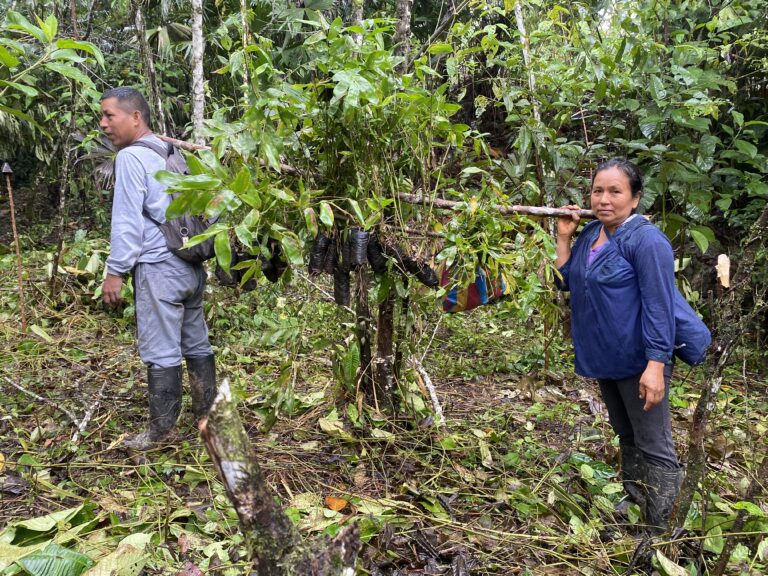
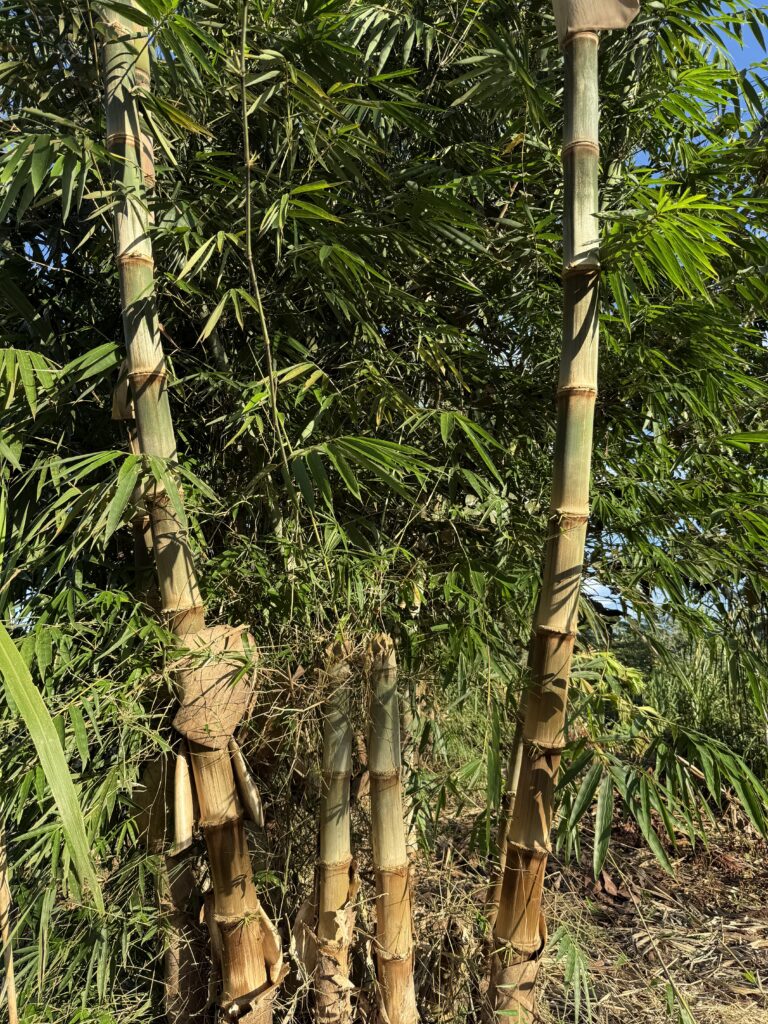
In the Amazon regions, bamboo grows naturally in forests and farms. It can directly improve the capacity of smallholders to adapt to climate change, as it is an economic activity with many product options. Furthermore, bamboo has a high capacity to enhance ecosystems and thereby mitigate climate change. Plantations can be established in deforested areas, allowing, for example, the creation of natural buffers along riverbanks, providing environmental, economic, and social benefits. INBAR’s experience in utilizing and promoting bamboo as a strategic resource for sustainable development opens up the possibility of generating territorial alignment to enhance the experience of both institutions through practical fieldwork at the local level.
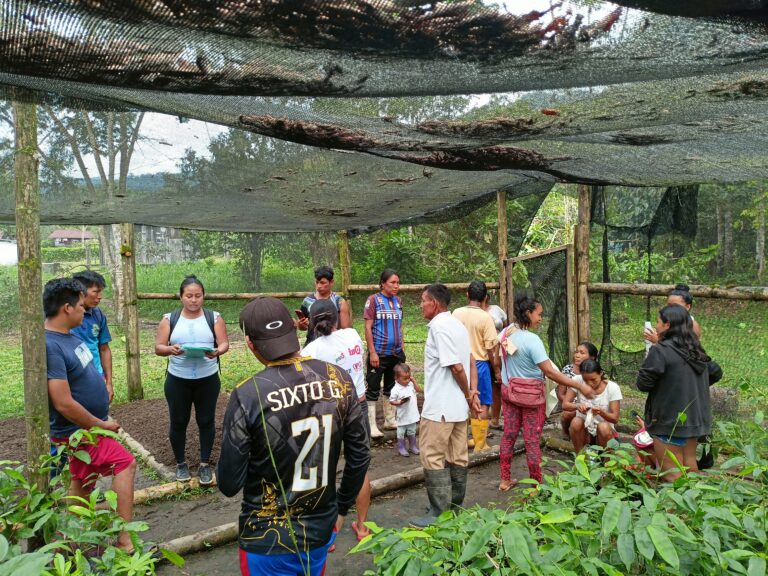
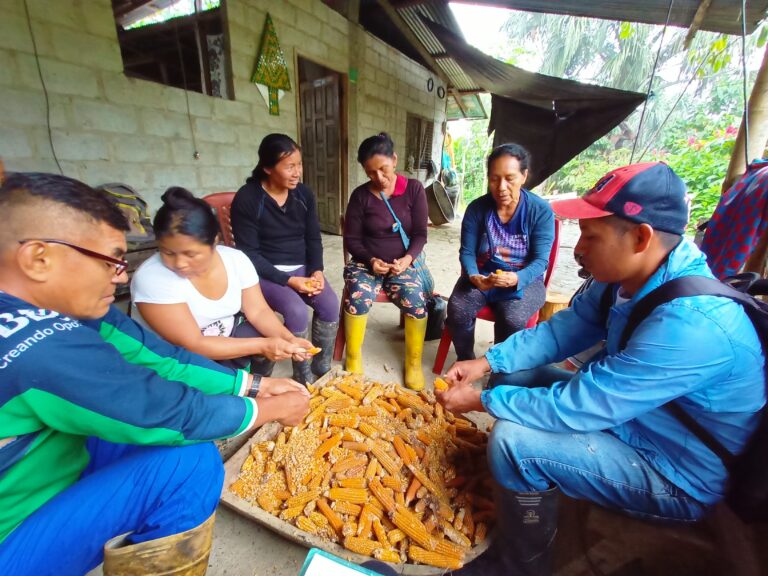
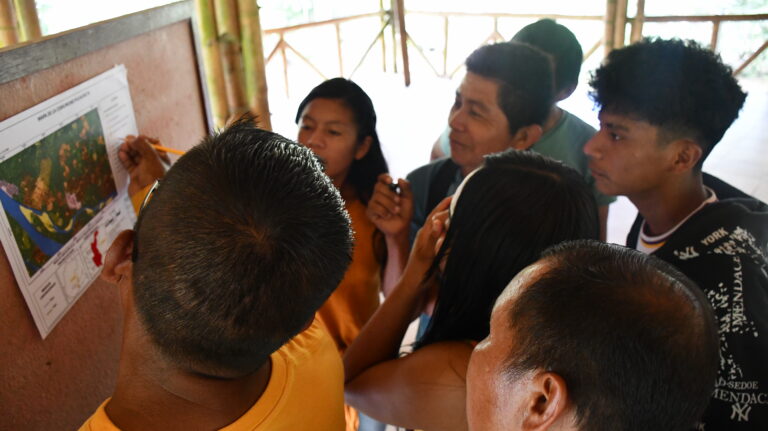
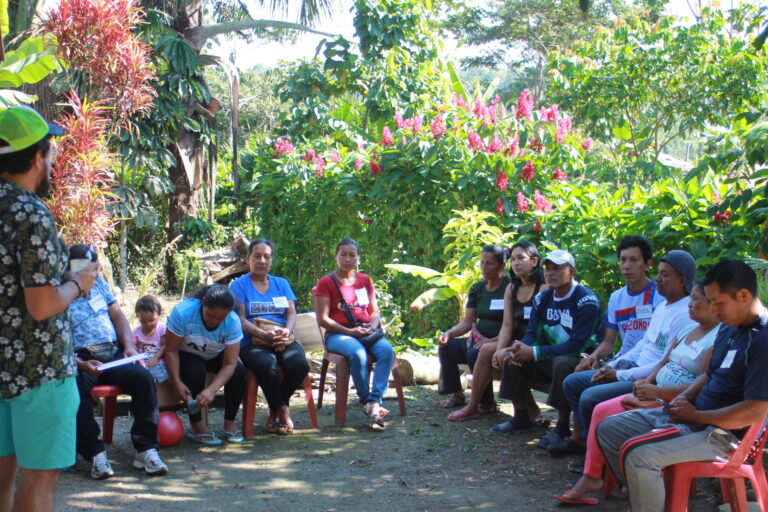
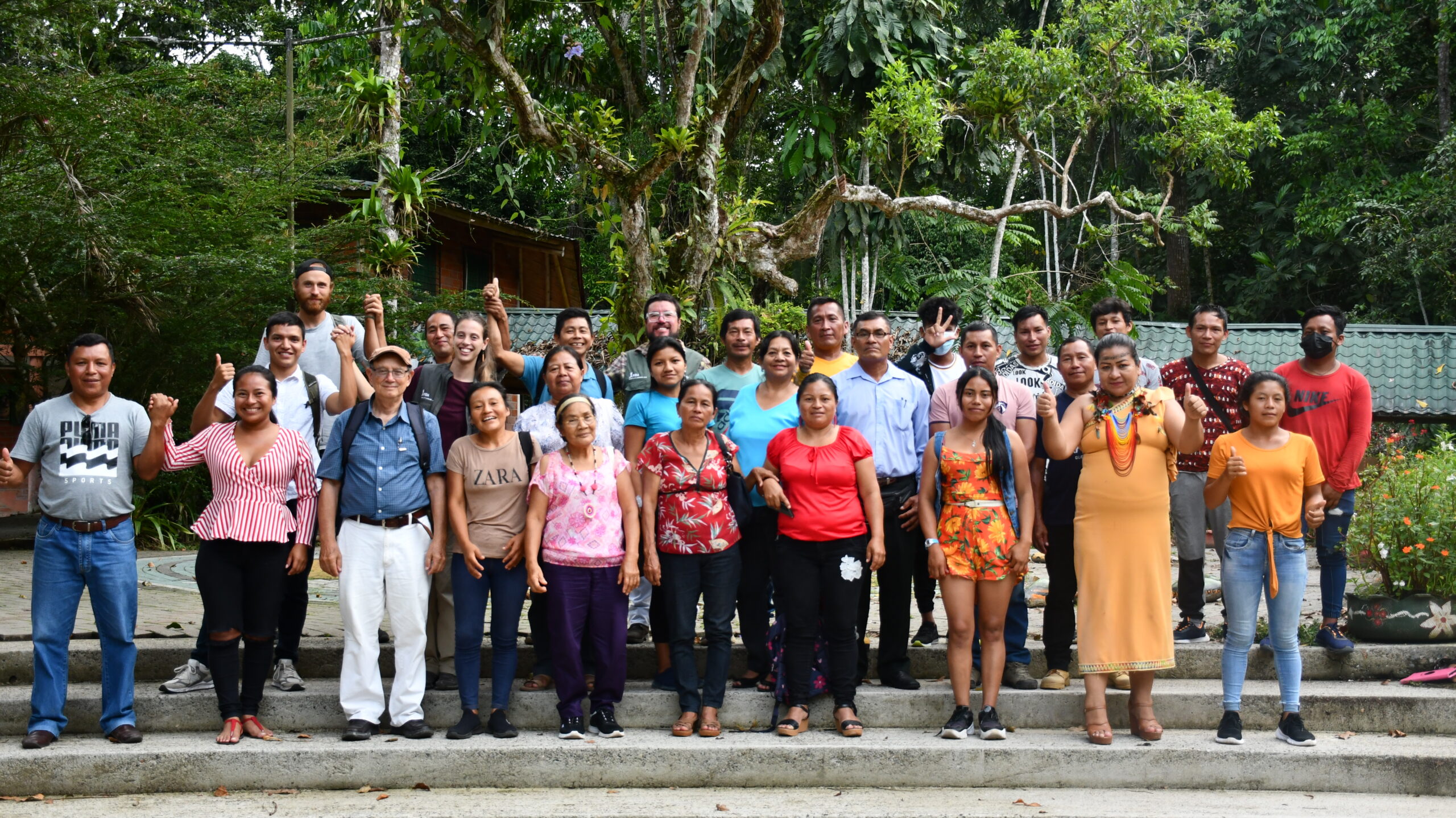
Through a dialogue process, INBAR and FAO have identified 2 indigenous organizations (Amukina and Alliwamak) in Ecuador for the implementation of this project. The two selected Indigenous Peoples’ communities are located in the Tena canton of the Napo province. In this framework INBAR is working with the Kichwa Women's Association of Napo (Asociación de Mujeres Kichwas de Napo) and the Alli Wamak Producers Association (Asociación de productores Alli Wamak). Given the vast biodiversity of the intervention area, the ecosystems identified in the zone according to the national ecosystem classification system include: Floodplain forest of the alluvial plain of rivers of Andean origin and Amazonian Mountain Ranges, Lowland evergreen forest of the Napo-Curaray, Lowland evergreen forest of the Tigre-Pastaza, Lower montane evergreen forest of Galeras, Foothill evergreen forest of Galeras, and Foothill evergreen forest of the northern part of the Eastern Cordillera of the Andes.