Aymara
peru


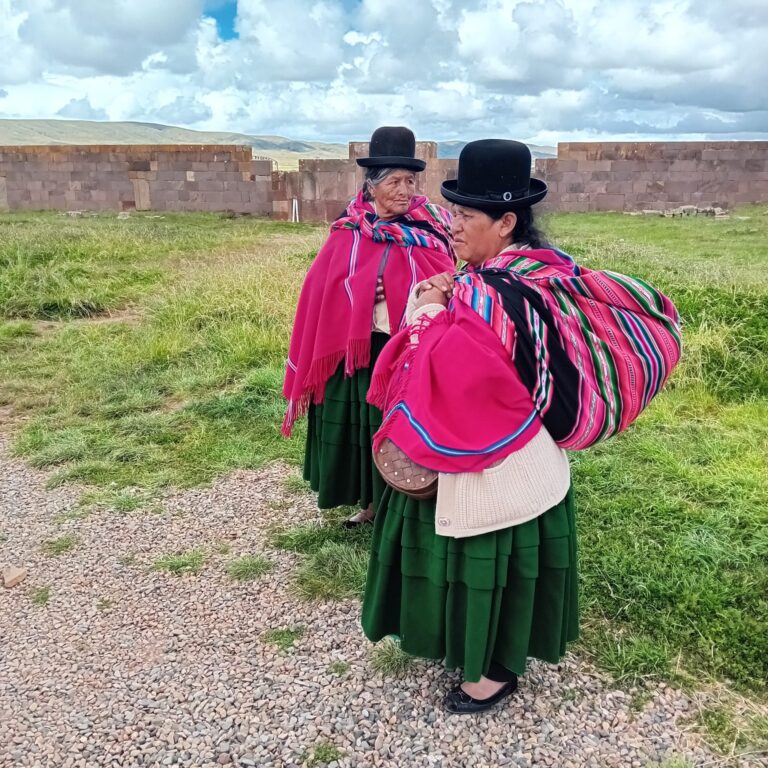
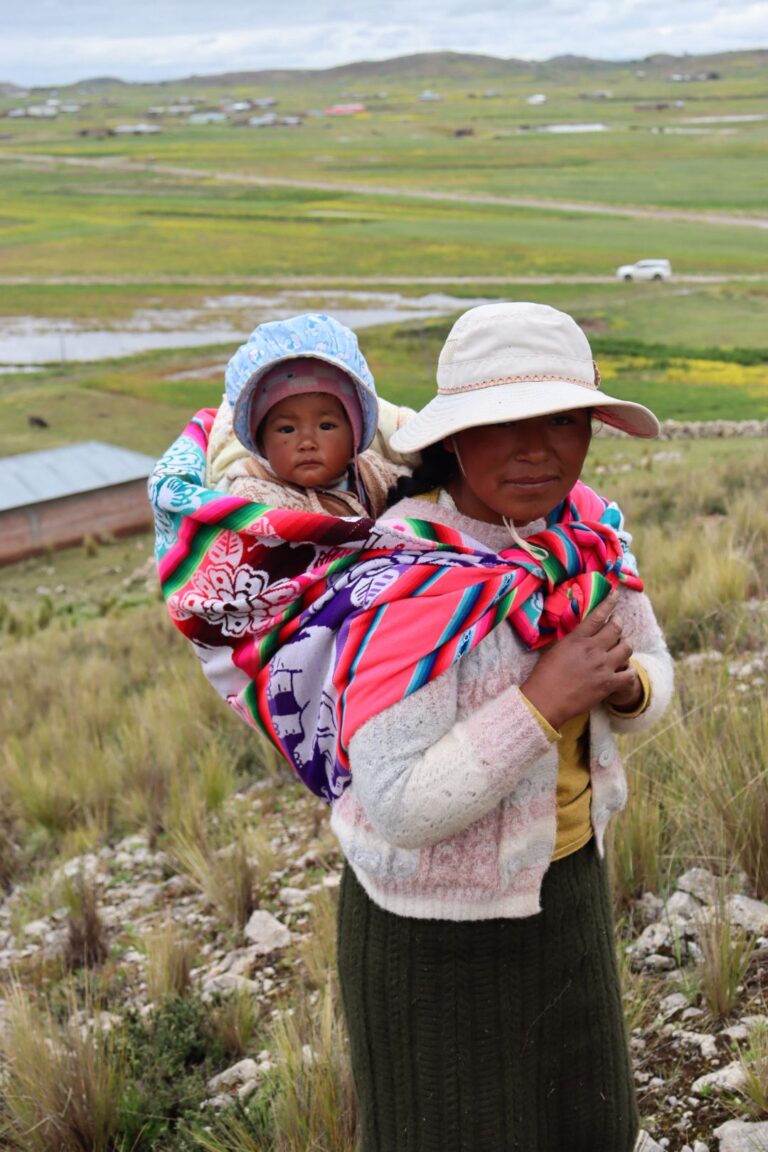
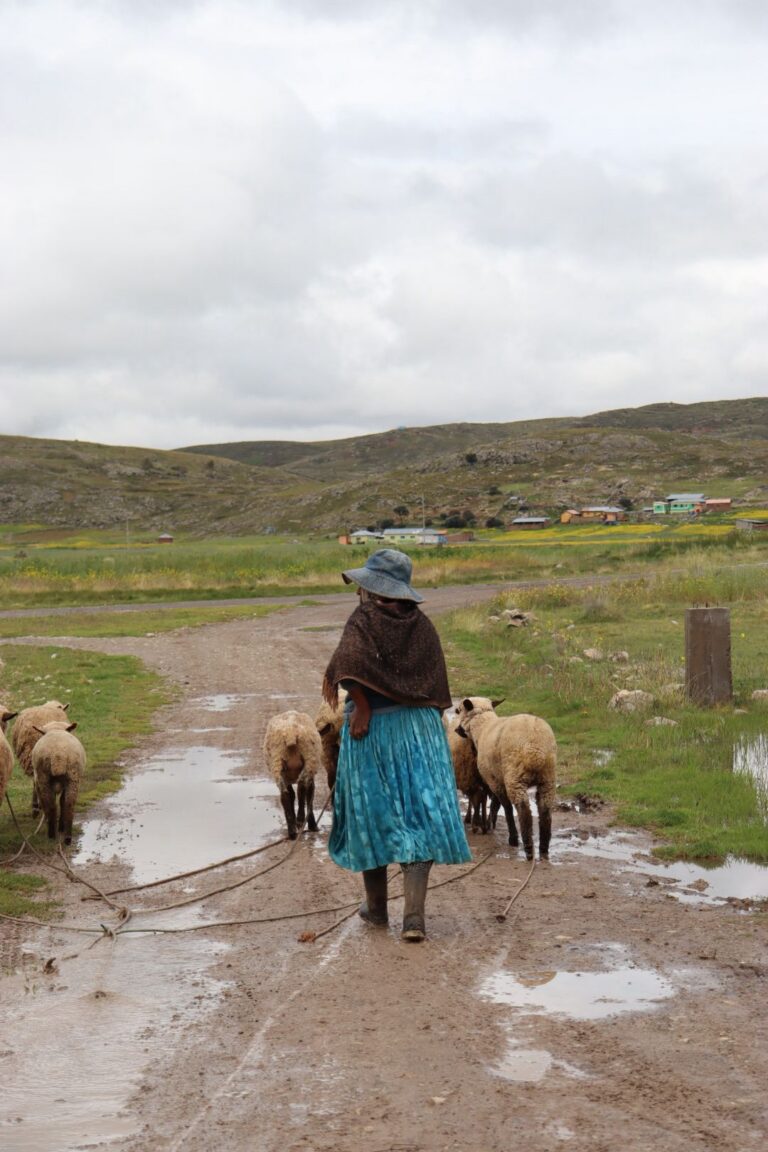
The Aymara people of Puno live in close relationship with the high Andean environment, centered around Lake Titicaca, the puna grasslands, and the region’s wetlands. Their livelihoods are based on camelid herding, small-scale cultivation of native crops such as potato, quinoa, cañihua, oca, and tarwi, and the use of totora reeds for housing, traditional boats, and handicrafts.
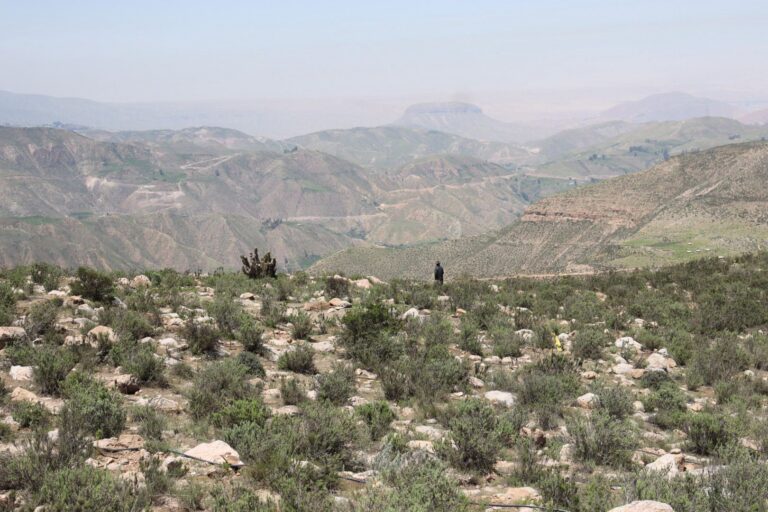
This relationship is not only economic but also spiritual, as the lake, mountains, and land are regarded as sacred beings within the Aymara worldview.However, their environment faces increasing degradation due to multiple pressures, including overgrazing of puna grasslands and wetlands, deforestation and loss of Polylepis forests, pollution of Lake Titicaca caused by wastewater, solid waste, and mining runoff, and the impacts of climate change, which are altering rainfall patterns, increasing frost events, and reducing water availability.
Despite these challenges, Aymara communities continue to practice ancestral land management systems, including agricultural terraces, the cultivation of diverse native crops, and ceremonial offerings. These traditions remain essential for both ecological resilience and the preservation of Aymara cultural heritage.
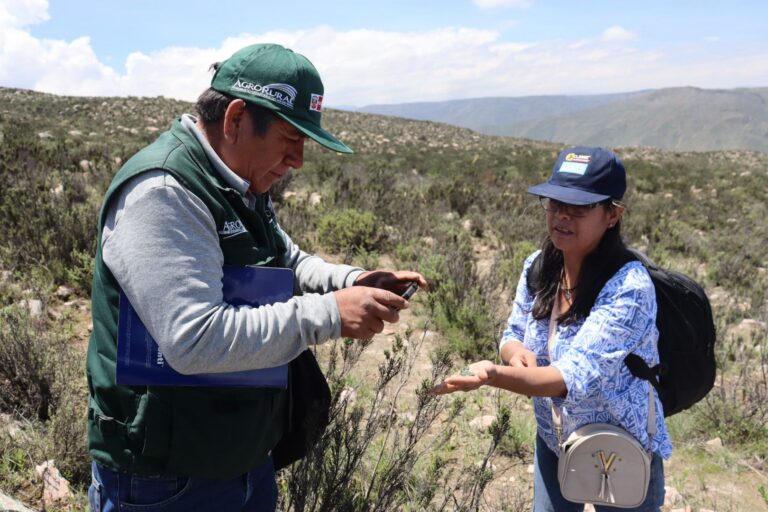
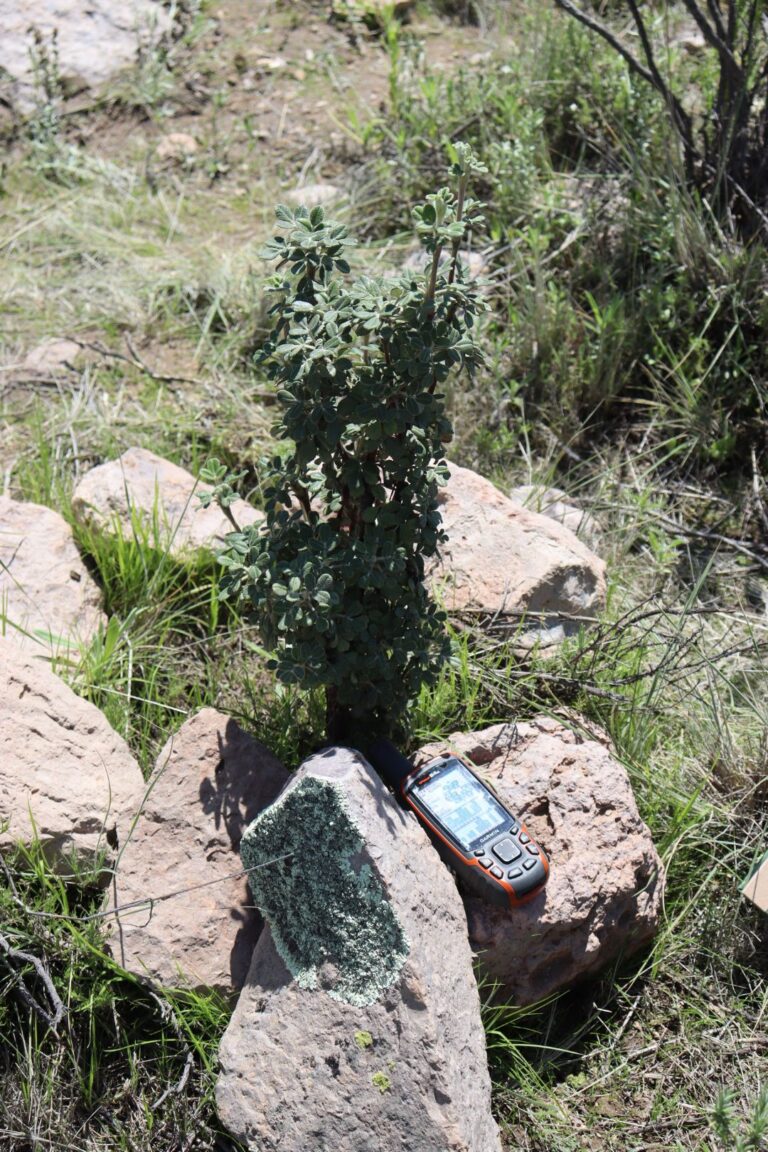
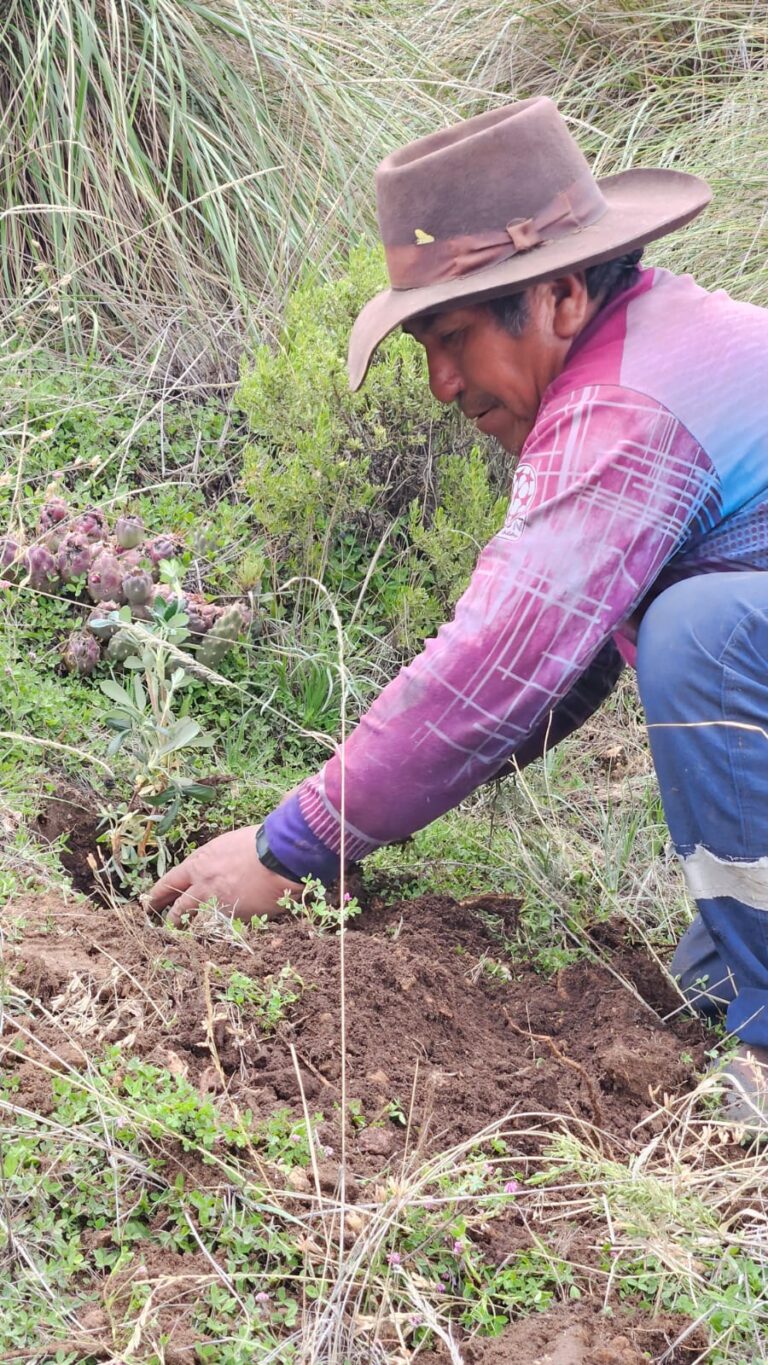
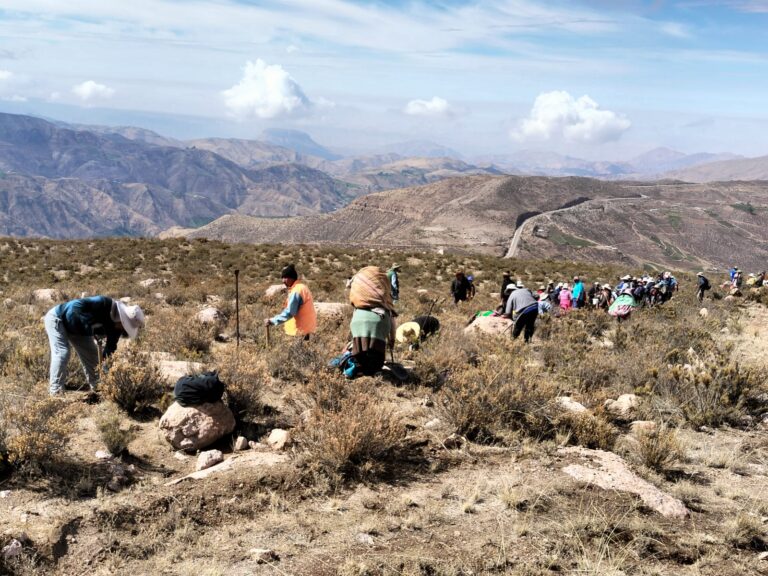
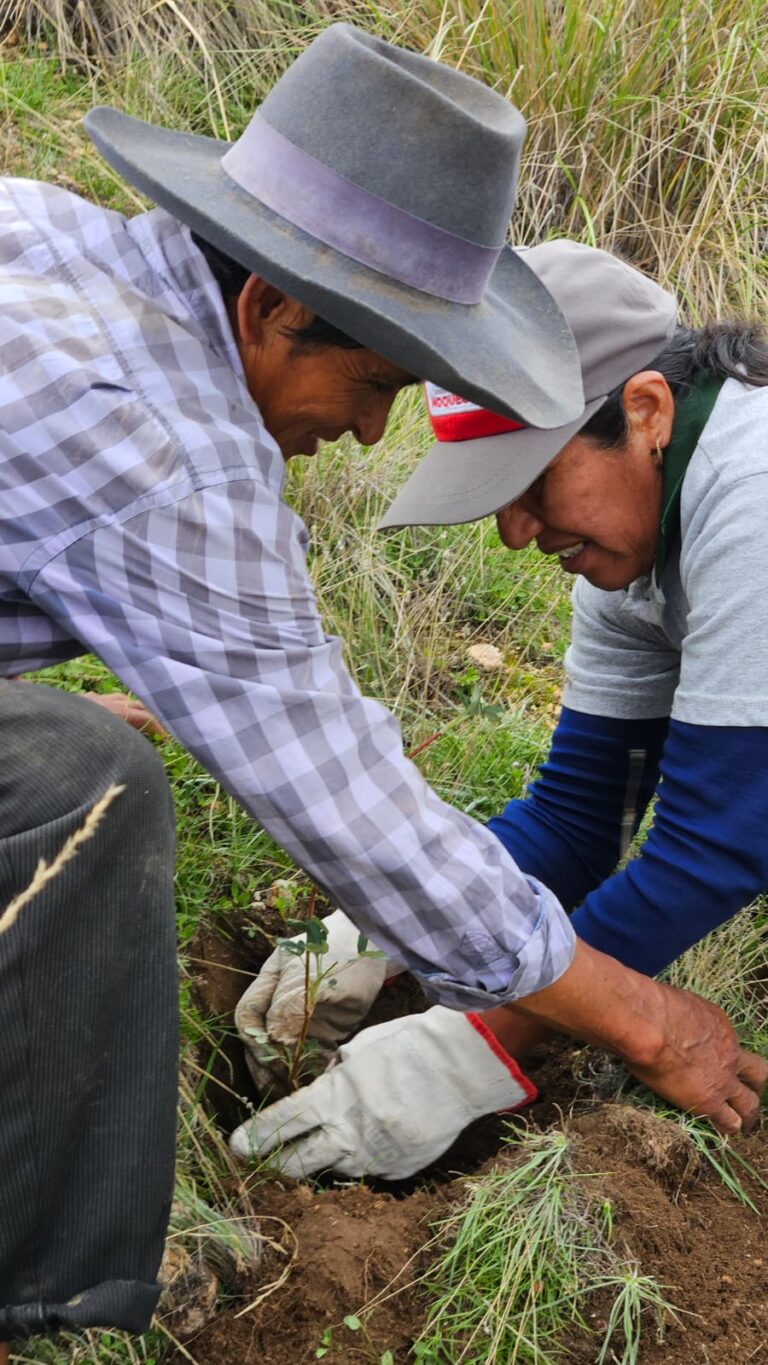
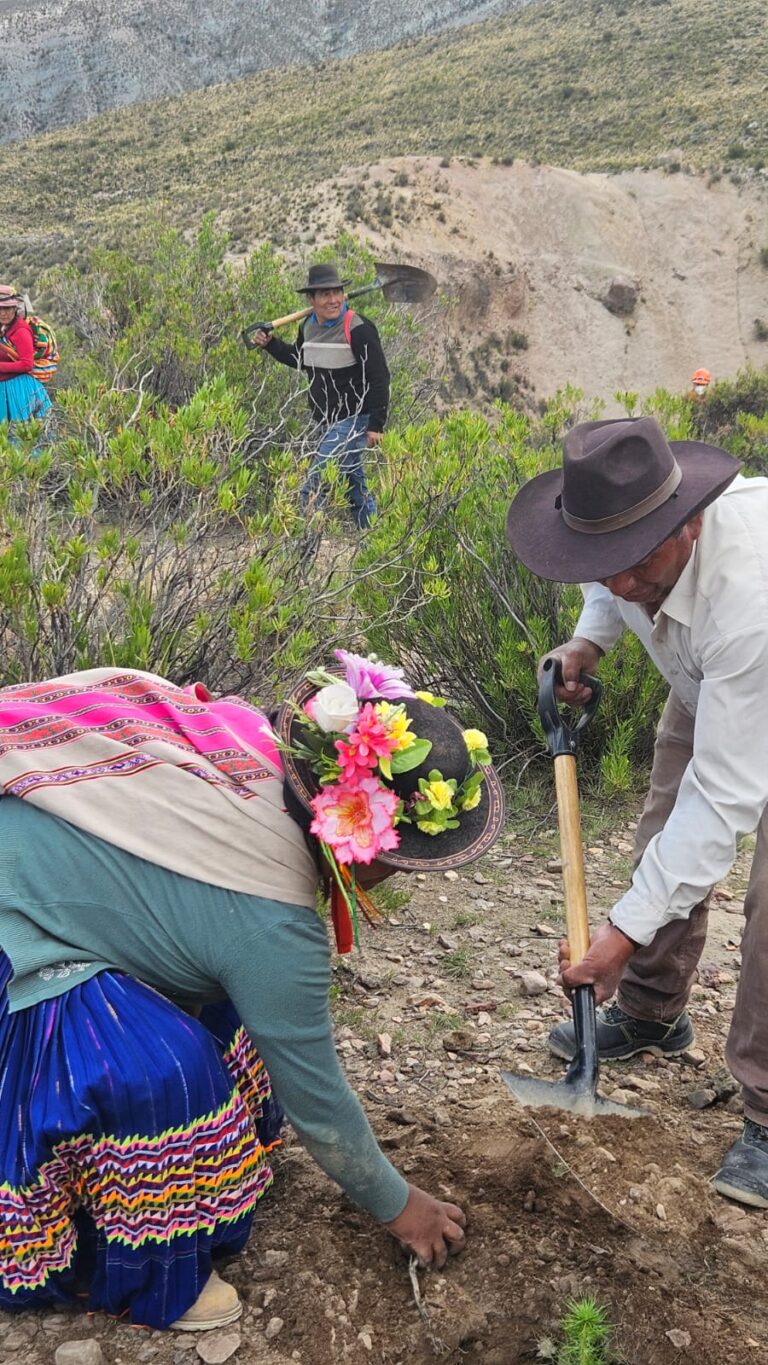
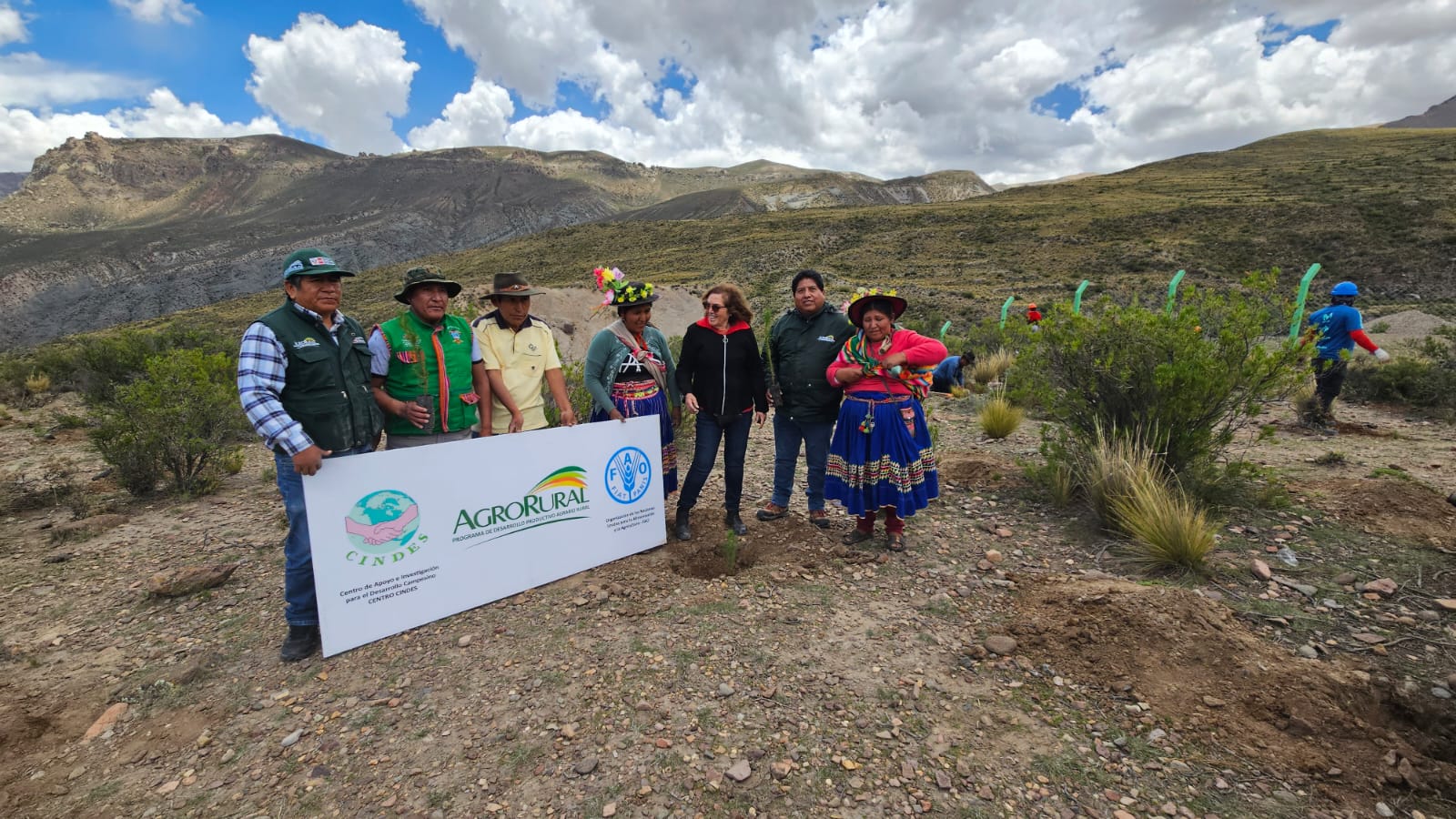
Together with the Indigenous Peoples Unit of FAO and the CINDES Center, the Aymara people are bringing life back to their sacred territories. Through the planting of native trees that help water infiltrate deeply into the soil, they are contributing to the healing of Lake Titicaca and the revitalization of the high Andean ecosystems that give rise to the headwaters that ultimately feed the Amazon Basin.
Their restoration efforts strengthen biodiversity, improve water security, and reinforce the profound connection between people, land, and water that has sustained Aymara communities for generations.