Tapeba
Brazil

VIDEOS
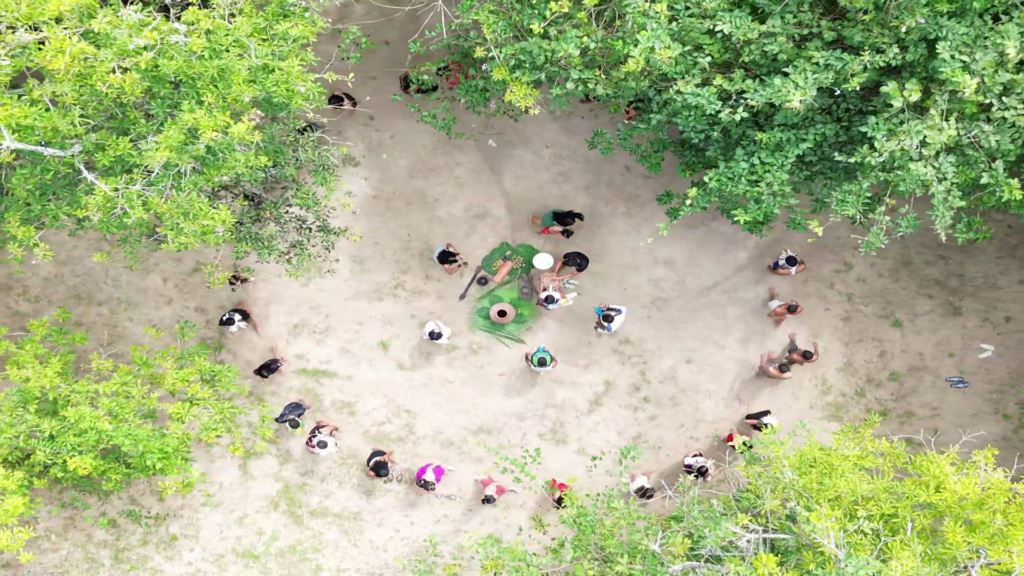
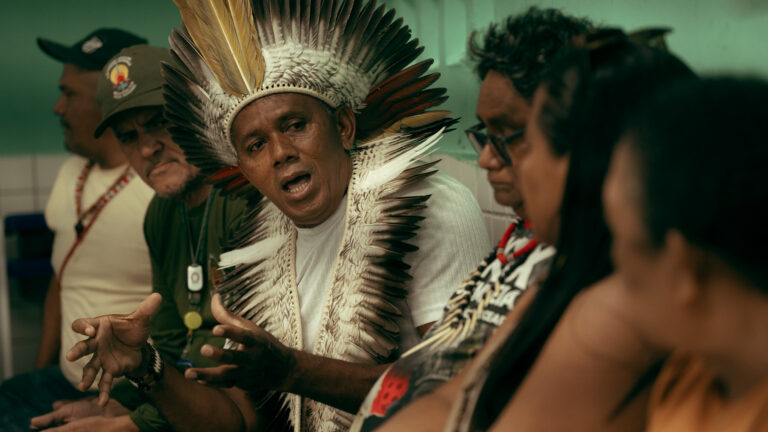
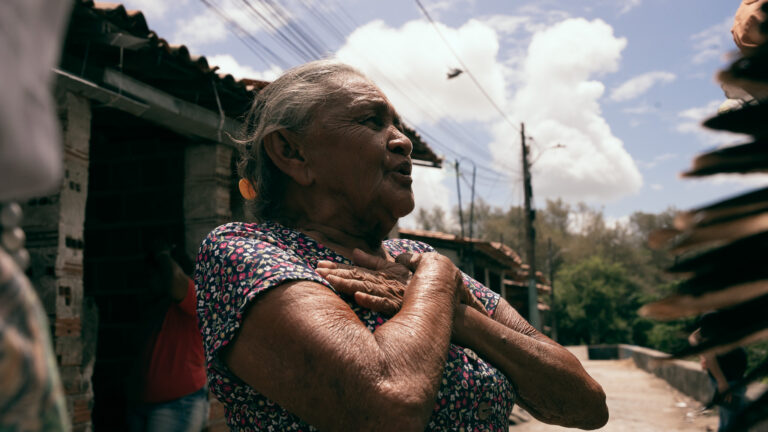
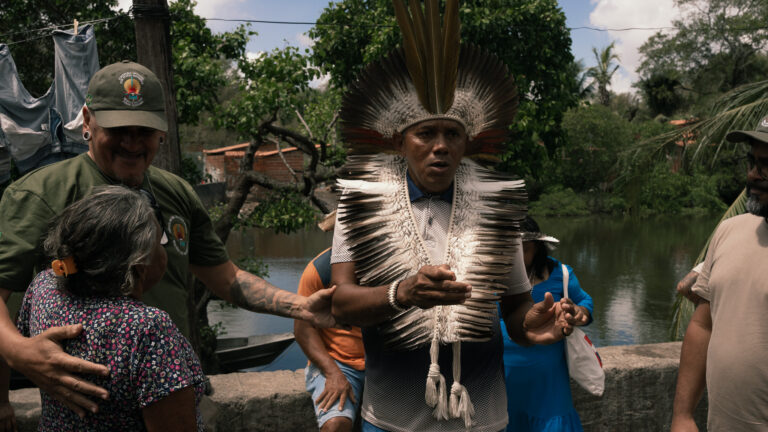
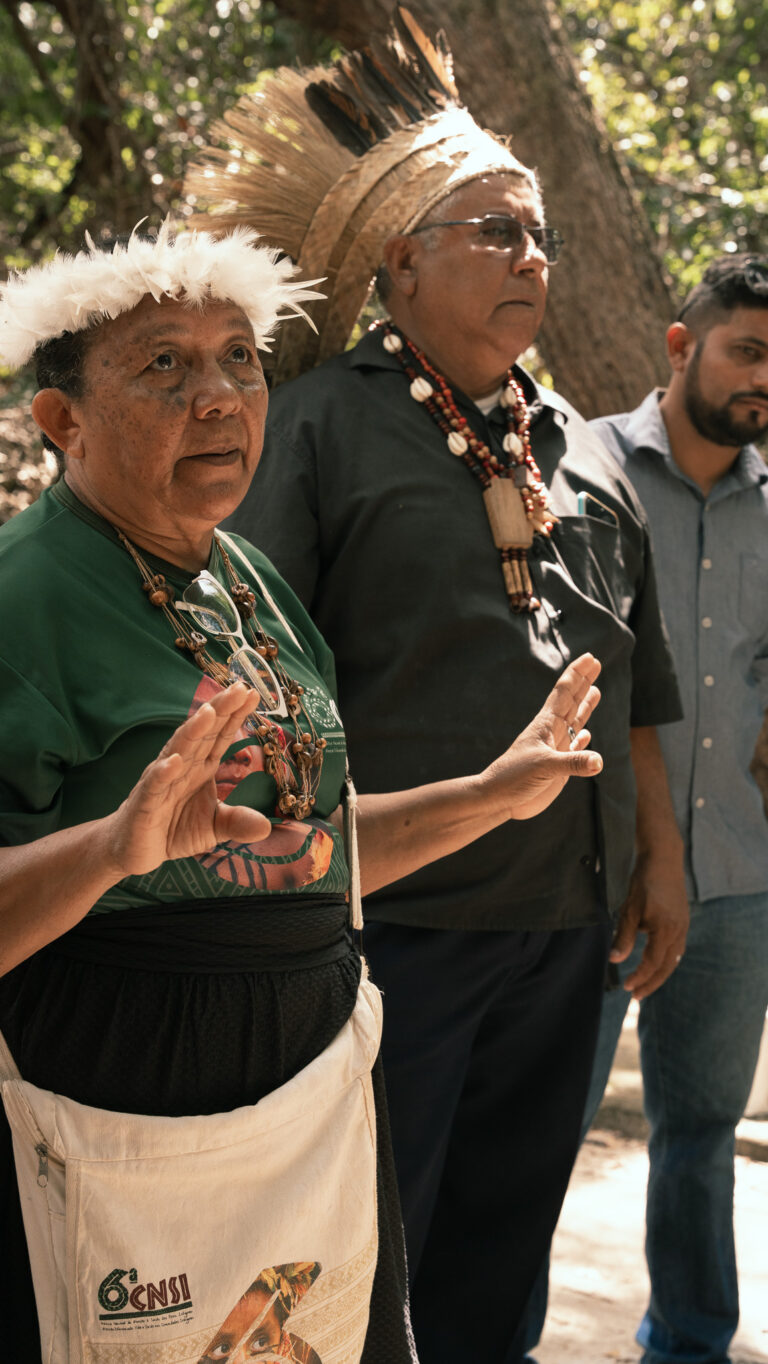
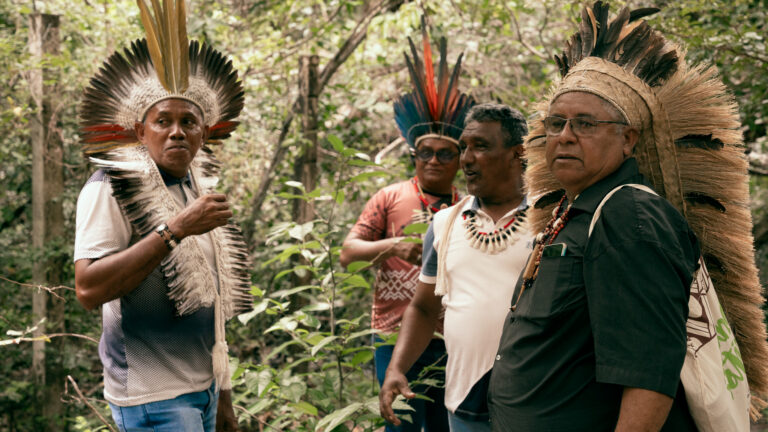
The Tapeba people originated from the mixture of four ethnic groups that were settled in the village of Nossa Senhora dos Prazeres de Caucaia in the 17th century: the Potiguara, Kariri, Jucá, and Tremembé. They were the founders of the municipality of Caucaia. However, the 18th and 19th centuries were marked by persecution, death, denial of our ethnic identity, expulsion by landowners, and other violence perpetrated by those who received land grants from provinces under the control of a republic marked by European imperialism.
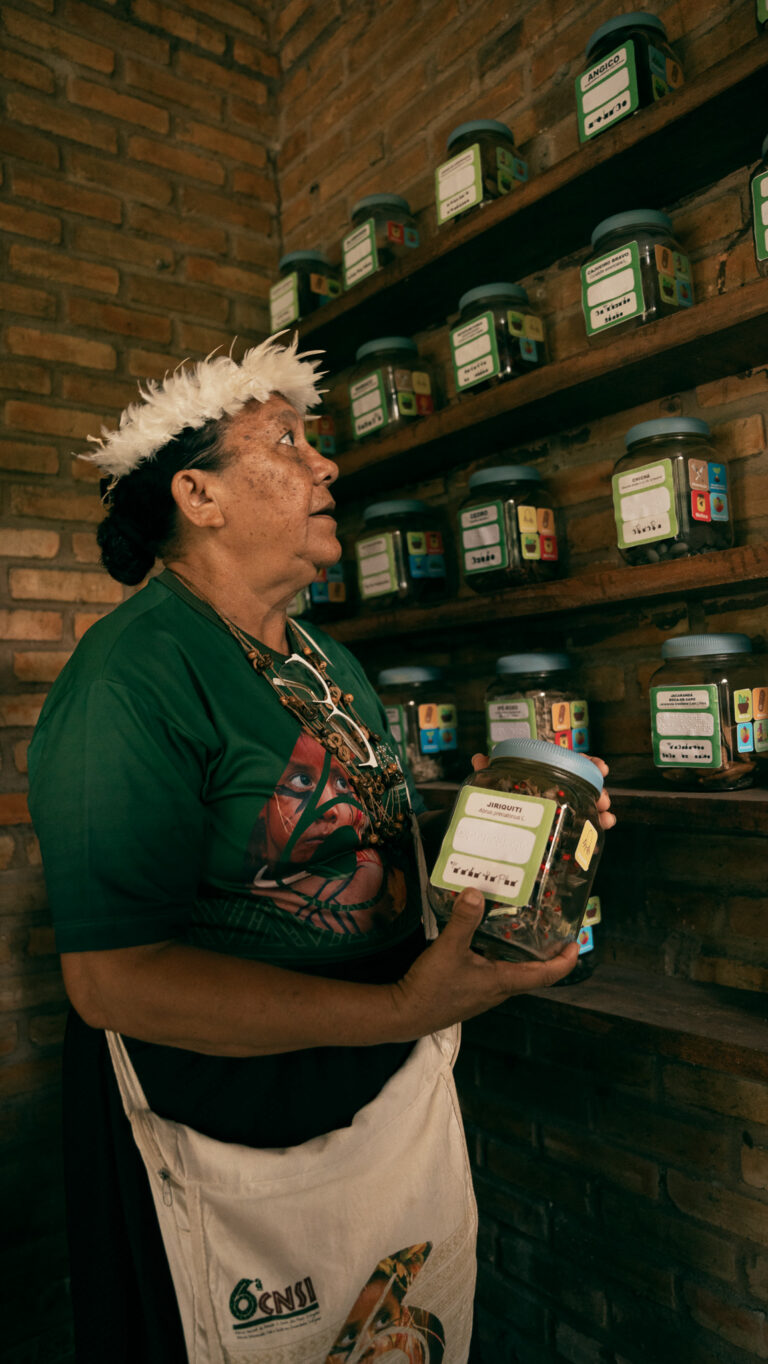
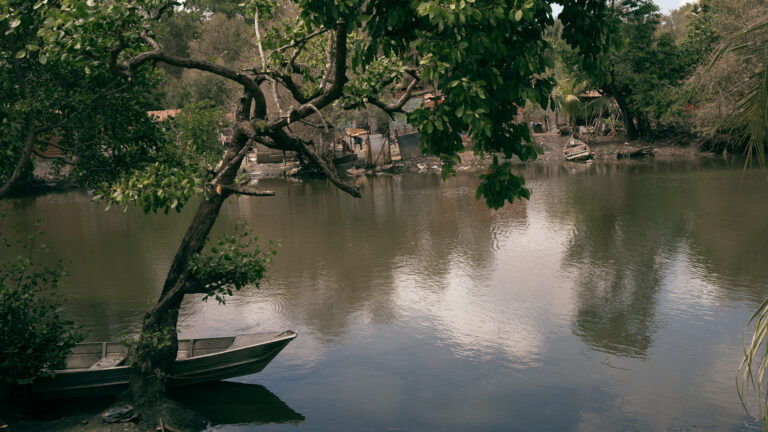
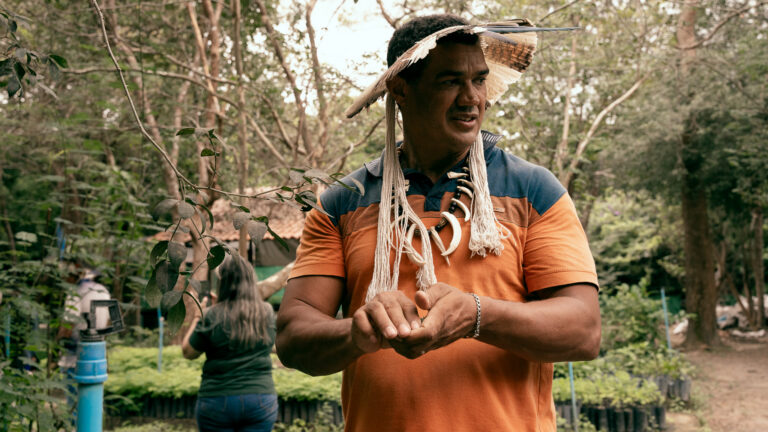
Even in the face of so much tension, our people resisted in the same territory, which, from 30,000 hectares granted through a land grant by a Jesuit to the Tapeba descendants, today we live on 6,000 hectares, sharing our way of life with the forest even in the face of rampant urbanization. Today, the Tapeba people are fighting for the completion of the demarcation process, which is in its final phase, in a land between the Ceará River and the Juá River with 20 villages. We are the first people in the state to fight for the recognition of our territorial rights, encompassing us, the Indigenous Peoples, the animals, the forest, our enchanted ancestors, and our way of life, produced by this intertwining of relationships. In this way, we keep our ancestral memory alive with our medicines, sciences, spirituality, and sense of belonging.
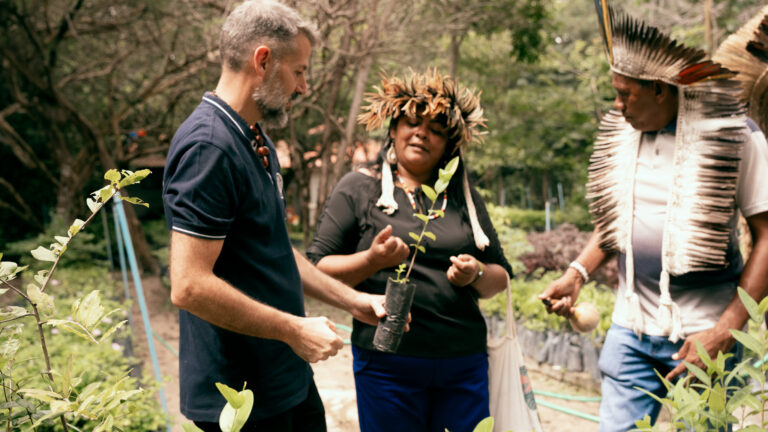
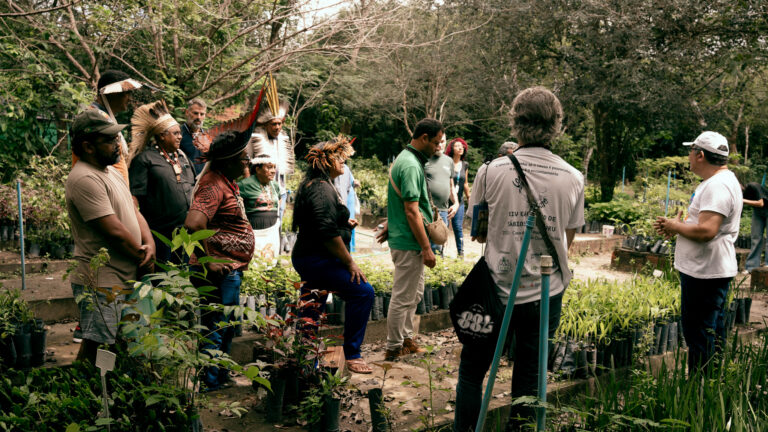
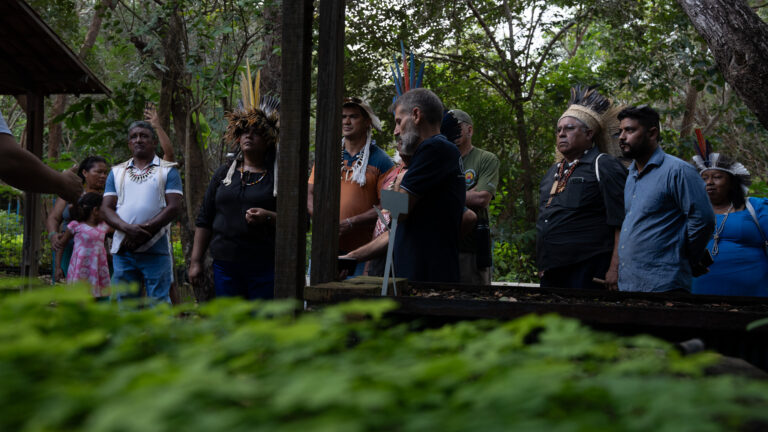
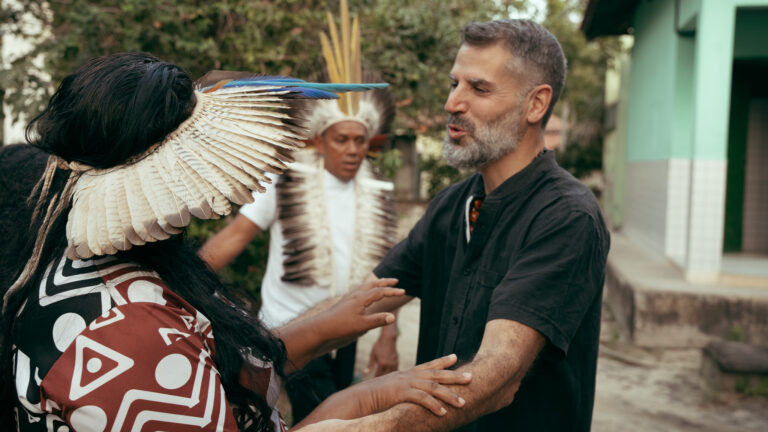
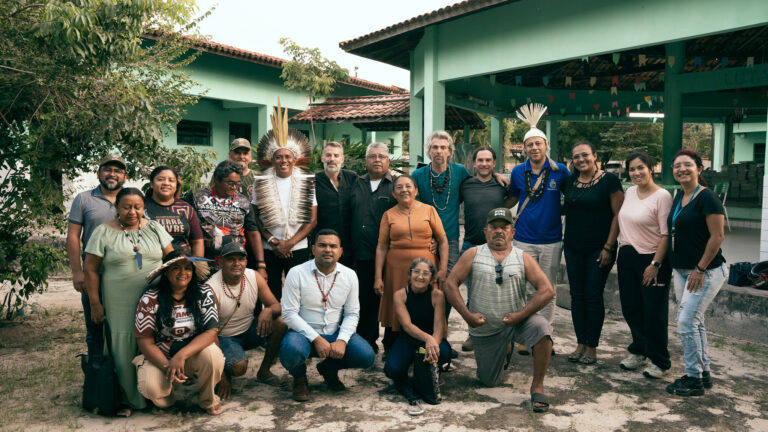
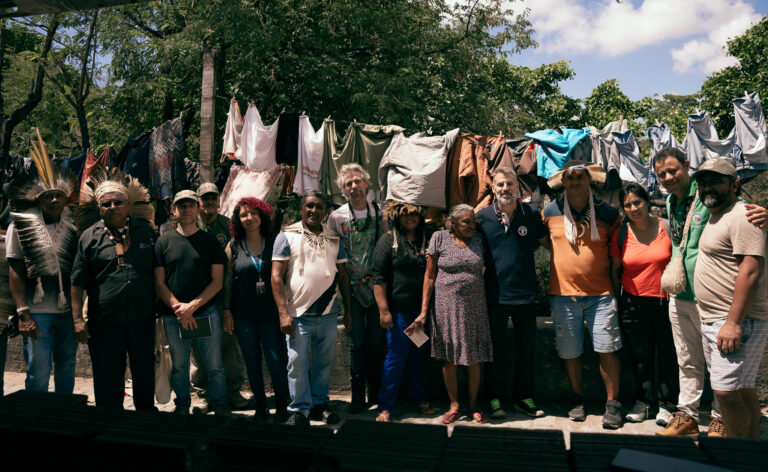
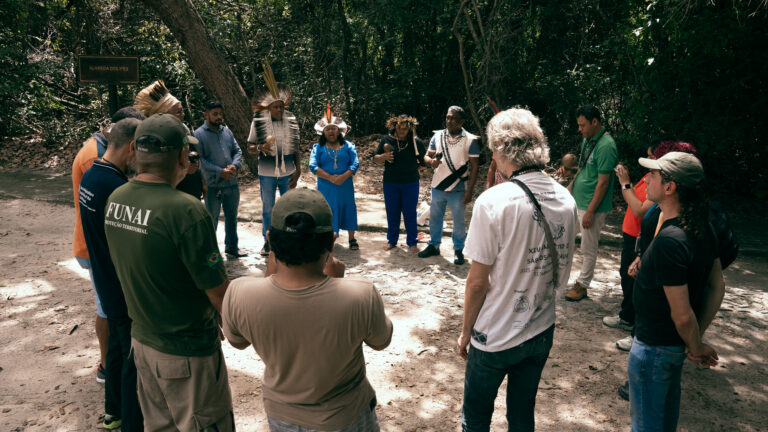
The Biocentric Restoration project in the Tapeba Territory began in 2025 with initial meetings with the FAO, the Ministry of Indigenous Peoples, and FUNAI. Several meetings addressed the specific needs of the territory, resulting in the development of an action plan for forest regeneration, the training of firefighters, and the construction of three nurseries within the school environment of three indigenous schools.